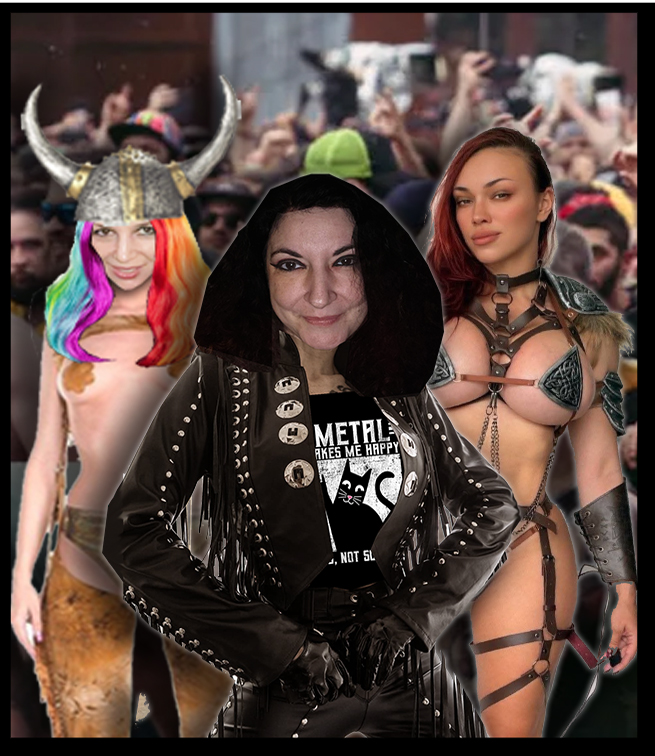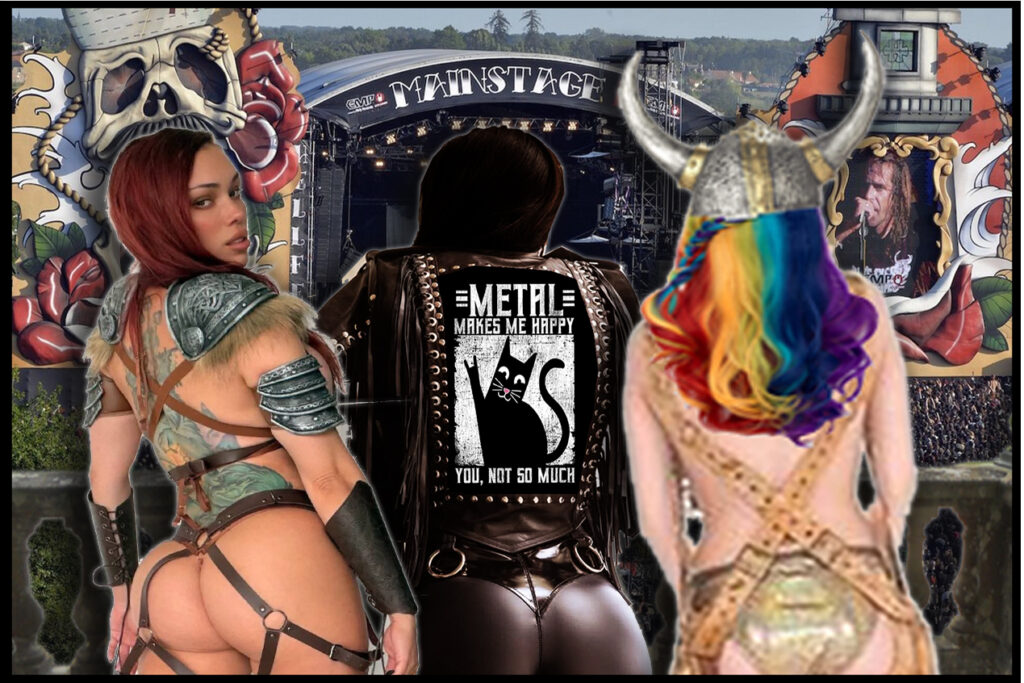
Every summer, thousands of metal fans cross borders, board trains, camp in fields, and descend upon medieval fortresses, rural villages, coastal cities, and historic fairgrounds for what has become one of Europe’s greatest cultural traditions: heavy metal festival season.
While the United States still hosts excellent events, Europe increasingly feels like the center of the metal universe. The scale is larger, the lineups are deeper, the crowds are more international, and perhaps most importantly, each country brings its own personality to heavy metal. Attending a European festival isn’t just about seeing bands, but it’s also about experiencing how different cultures have embraced and interpreted metal as part of their identity.
Hellfest – France
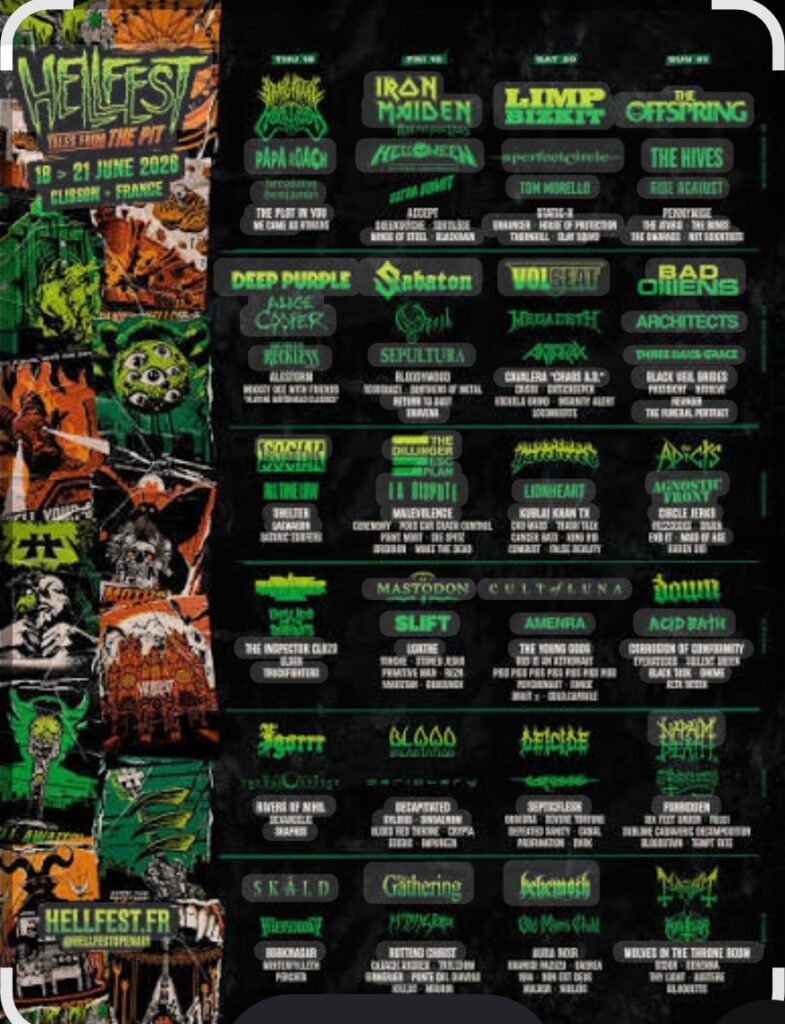
Located in the small French town of Clisson, Hellfest has grown into one of the largest and most ambitious metal festivals in the world. The festival combines massive production, elaborate stage design, sculpture gardens, art installations, and a distinctly French appreciation for atmosphere and presentation. Hellfest 2026 runs June 18–21.
What makes Hellfest special is how seamlessly France blends culture and spectacle. They are allowed to keep building on the grounds, so a few years ago they unleashed the most amazing Lemmy Kilmister metal statue ever seen. This year they are releasing an Ozzy Osbourne statue that is sure to raise hell. You can spend the day watching extreme metal, then enjoy excellent local food and wine before heading back into the pit. It feels uniquely French with it’s peaceful elegance, organization, and unapologetically heavy metal setting.
Luppolo In Rock – Italy
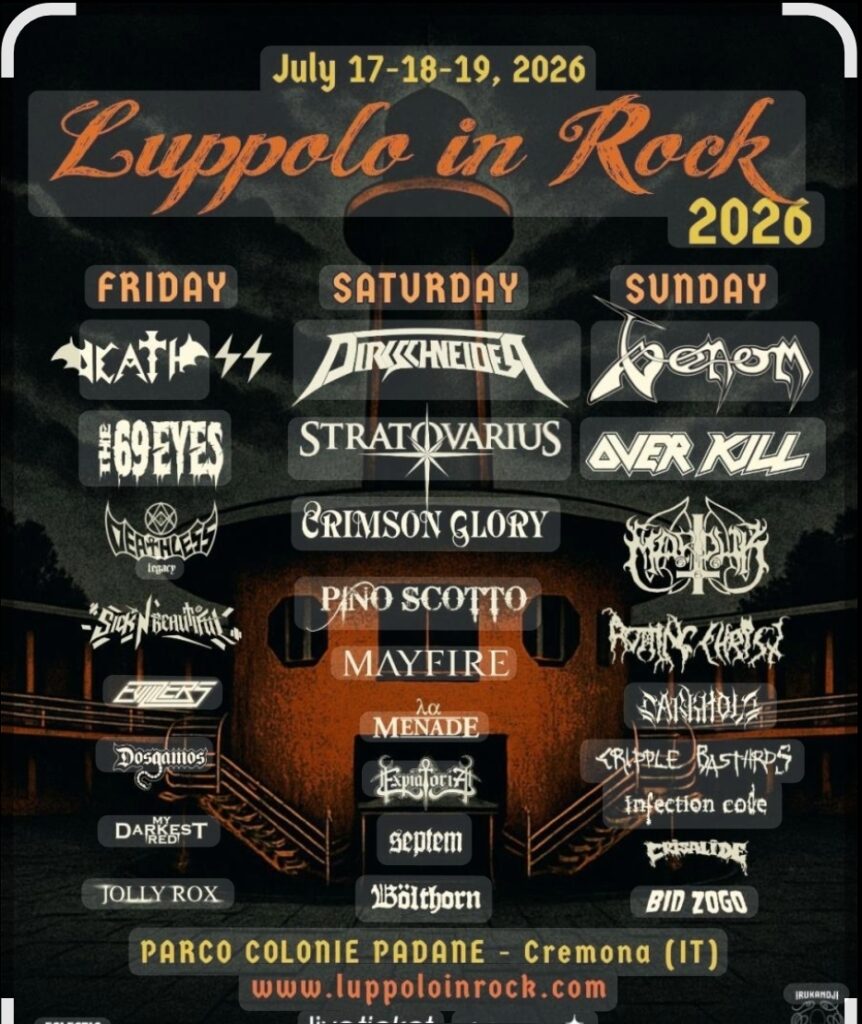
Italy’s Luppolo In Rock offers a different experience. Smaller than the continent’s giants, it combines heavy music with Italy’s passion for food, community, and craft beer. Yours truly will be attending this festival, so stay tuned for a full report.
Italian metal culture tends to be warm and social.
Fans gather not only for the bands but also for long conversations, local cuisine, and the sense of shared celebration that defines many Italian festivals. It’s an excellent reminder that heavy metal can be both intense and welcoming. Dates are July 17th-19th.
Brutal Assault – Czech Republic
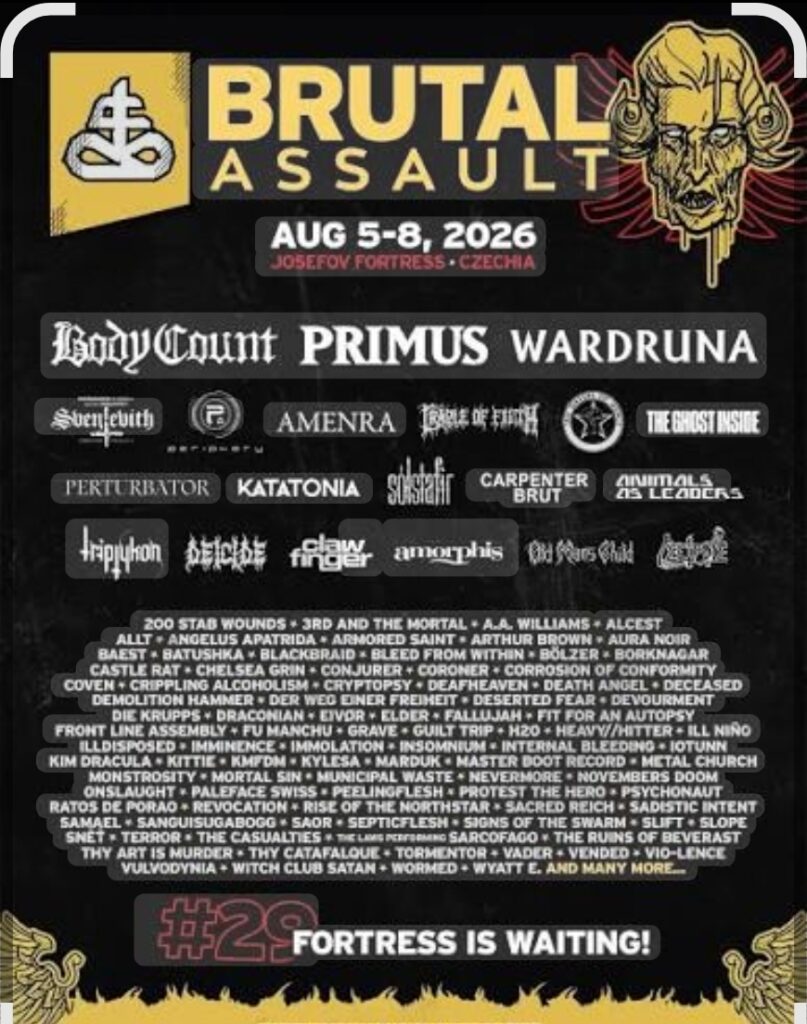
Few festivals on Earth have a more dramatic setting than Brutal Assault. Held inside the 18th-century Fortress Josefov in Jaroměř, the festival transforms historic military walls into one of metal’s most atmospheric venues. The 2026 edition takes place August 5–8.
The Czech metal scene has long embraced heavier and more experimental sounds. Brutal Assault reflects that spirit with a lineup that frequently ventures beyond mainstream metal into black, death, industrial, and avant-garde territory. Walking through ancient stone corridors while hearing blast beats echo across the fortress is an experience every metal fan should have at least once.
Bloodstock Open Air – United Kingdom
For many fans, Bloodstock Open Air represents the heart of the British metal community. Held in Derbyshire, Bloodstock remains proudly independent while showcasing both legendary acts and emerging underground talent. The festival takes place August 6–9, 2026.
The UK’s contribution to heavy metal is impossible to overstate. From the birth of traditional heavy metal through the New Wave of British Heavy Metal, the country’s influence remains enormous. Bloodstock feels like a family gathering for that legacy.
Wacken Open Air – Germany
No discussion of European metal festivals is complete without Wacken Open Air. The tiny German village of Wacken becomes the epicenter of global metal every summer, welcoming fans from around the world. The 2026 edition runs July 29–August 1.
Germany approaches metal with remarkable dedication. The organization, infrastructure, and scale are legendary. Yet despite its enormous size, Wacken still feels like a pilgrimage site for metal fans. Seeing flags from dozens of countries flying above muddy campgrounds perfectly captures the international spirit of the genre.
Beyond The Gates – Norway
Set amid the historic streets of Bergen, Beyond The Gates offers one of the most distinctive experiences in European metal.
Norway’s black metal legacy looms large, and Beyond The Gates embraces that heritage while celebrating extreme music from around the world. The city’s mountains, fjords, and medieval architecture create an atmosphere unlike any other festival destination. It feels less like a concert and more like a journey into metal history.
Sweden Rock Festival – Sweden
Sweden has produced an astonishing number of influential bands across death metal, melodic metal, hard rock, and progressive music. Sweden Rock Festival serves as a showcase for that legacy. The 2026 festival was held June 3–6 in Sölvesborg.
Swedish audiences are known for their deep musical knowledge and enthusiasm. Sweden Rock reflects that culture, presenting everything from classic hard rock to modern extreme metal with equal respect.
Finland’s Summer Metal Tradition
No country embraces heavy metal quite like Finland. With one of the highest concentrations of metal bands per capita in the world, Finland treats metal less like a subculture and more like a national art form.
With black metal festival Steelfest already passed thus year, there are still more metal festivals to enjoy such as Tuska Festival which continues to draw fans from across Europe. Finnish festivals often combine world-class organization with a uniquely Nordic atmosphere, where metal exists comfortably alongside mainstream culture.
Other European Festivals worth exploring, to name a few, are Belgium’s Graspop Metal Meeting remains one of the continent’s premier heavy music gatherings. Denmark’s Copenhell brings metal to Copenhagen’s waterfront. Germany’s Summer Breeze Open Air continues to grow into one of Europe’s most respected festivals, taking place August 12–15, 2026.
England’s Download Festival also remains a major destination for hard rock and metal fans each summer.
What makes European metal festivals special isn’t simply the size of the lineups. It’s the opportunity to see how metal evolves across borders.
In France, metal is theatrical and artistic. In Germany, it becomes a massive communal celebration. In Norway, it intersects with history and mythology. In the Czech Republic, it thrives in ancient fortresses. In Finland, it feels woven into everyday culture.
For American fans, attending these festivals offers something increasingly rare: the chance to combine travel, cultural exploration, and music into a single unforgettable experience.
Summer festival season is here. And if there is one lesson Europe’s metal scene continues to teach the world, it’s that heavy metal is not just a genre. It is a global culture spoken in many different languages, all united by the same beautiful chaos from the stage. Stay metal and go to Europe!