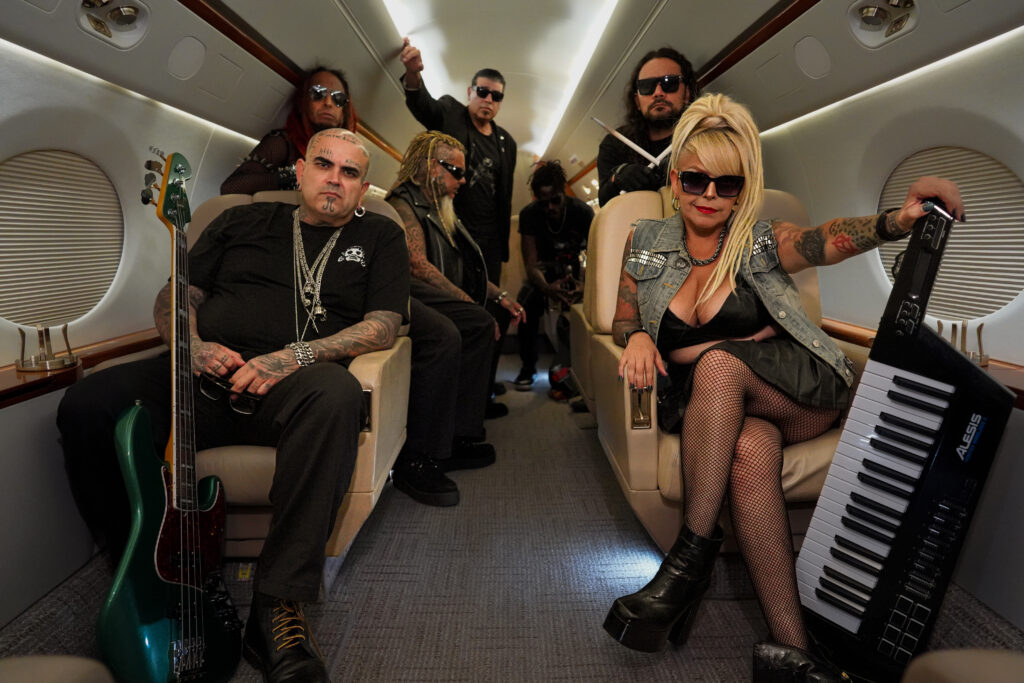
Keeping the Fire Alive on Streets of Long Beach, Ca.
Thirty years. In the music industry, three decades is a geologic era. Most bands flame out before their first van oil change, but Long Beach legends Heavenly Trip to Hell (HTTH) are still here, standing as the undisputed, unchanged heavy metal spine of a city that transformed completely around them.
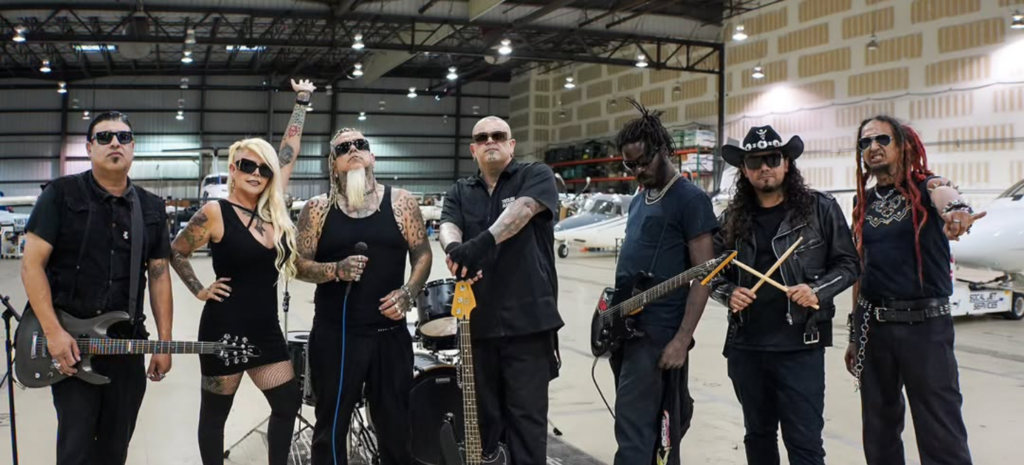
“I’ve seen a complete change in all the bars and all the clubs in Long Beach,” says frontman G, looking back at a landscape of vanished venues and flipped ownerships. “But Alex has held it down on Anaheim Street for a very long time. The V-Room, The Stash—all of that changed. But it’s bands like Heavenly Trip to Hell keeping it going. We’re keeping it alive.”

HTTH didn’t just survive; they conquered. Born from the gritty, unhinged pre-internet era of Xerox flyers and underground tape trading, the band used whatever secrets necessary to claw their way onto local bills. They grew from a teenage pact between G and his brother, founding member and bassist Sergio.
“Growing up with G was like living in a monk prison,” Sergio laughs. “We were always fighting, trying to beat the shit out of each other. But then we realized we shouldn’t be fighting each other—we should be fighting the world. That’s when we embraced rock and roll. I thought we were gonna die young. But that didn’t happen. So, here I am.”
THE HTTH SONIC ARCHIVEFrom Aztec Batman to Road Dogs TV, three decades of uncompromising noise.
Declaring War on the Sunset Strip
When HTTH finally migrated from Long Beach to Hollywood, they didn’t just play the legendary venues—they occupied them. Selling out The Whisky a Go-Go, The Rainbow, and The Viper Room became a regular rite of passage.
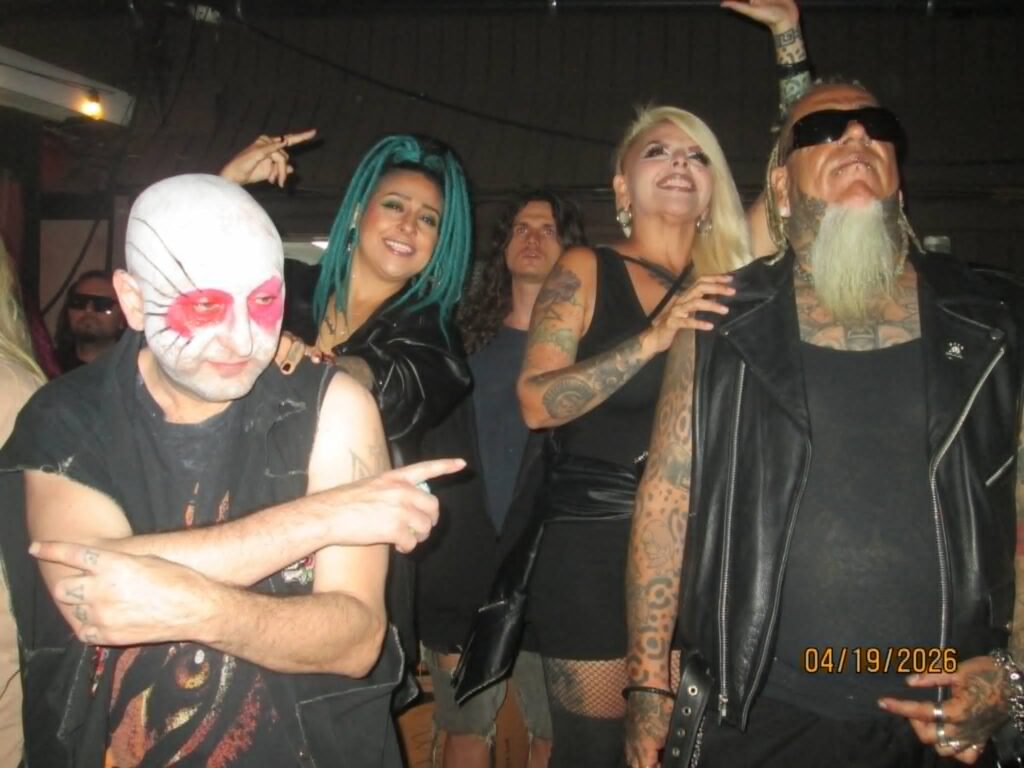
“It felt like we declared war on the Sunset Strip,” Sergio recalls of their early days. “All of downtown Long Beach would come out on a Tuesday night and we would just take over. We were younger, reckless, and going against the grain. When punk was popular, we went metal. When metal became popular, we played punk. We don’t compromise our sound.”
Keyboardist Vicky agrees that the band’s live energy has always been a zero-sum game. “Every single night we play, we give it 100%. We go up on stage and we fuckin’ rock the house. There are no boundaries in HTTH. We’ve never stopped ourselves because we wanted somebody to like us.”
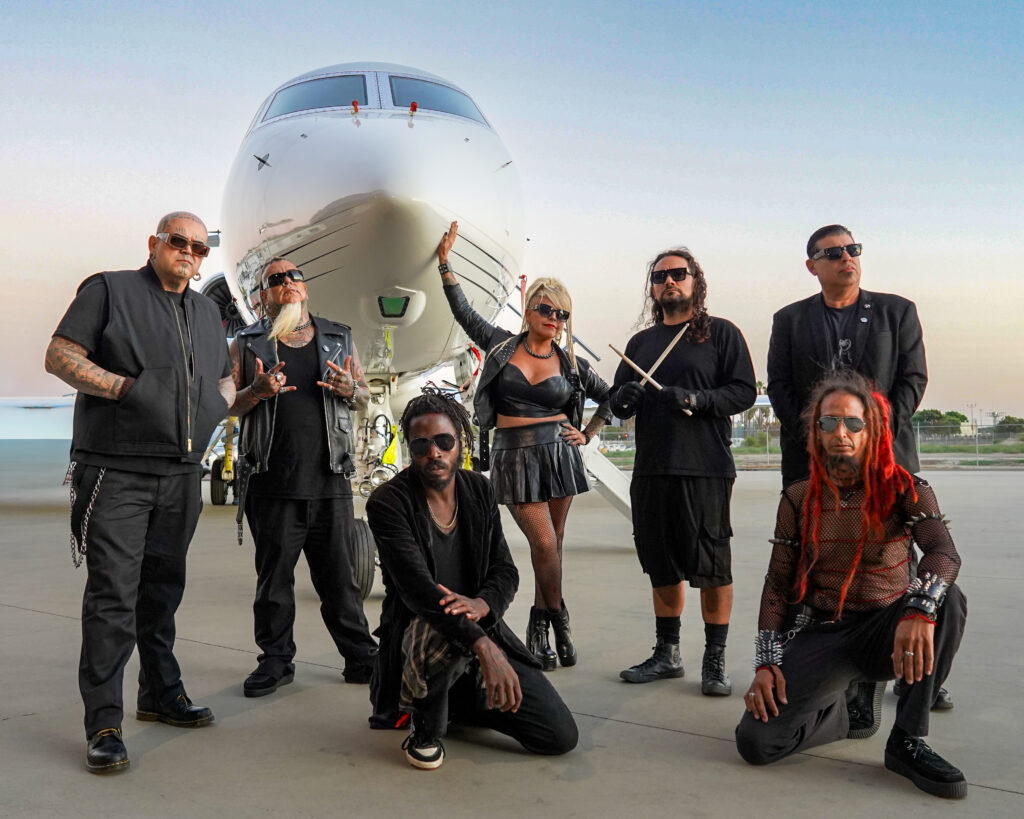
That uncompromising sonic footprint—a devastating blend of dark Goth atmosphere, heavy metal, and industrial synth—frequently terrified the bands they opened for. Management often feared HTTH would upstage the headliners. “When you’re actually a good band and you can really play, it makes people who aren’t a real band kind of fearful of you,” G notes dryly.
Yet, the true titans recognized their power. Backstage chaos and wisdom followed them, including a memorable joint smoked with Megadeth’s David Ellefson, who told them they had something special and to never quit. Then there was the cryptic encounter with Nikki Sixx: “Take my phone number down, I’ll probably never see you again.” Did they take it? “Negative,” Jose Drummer laughs.
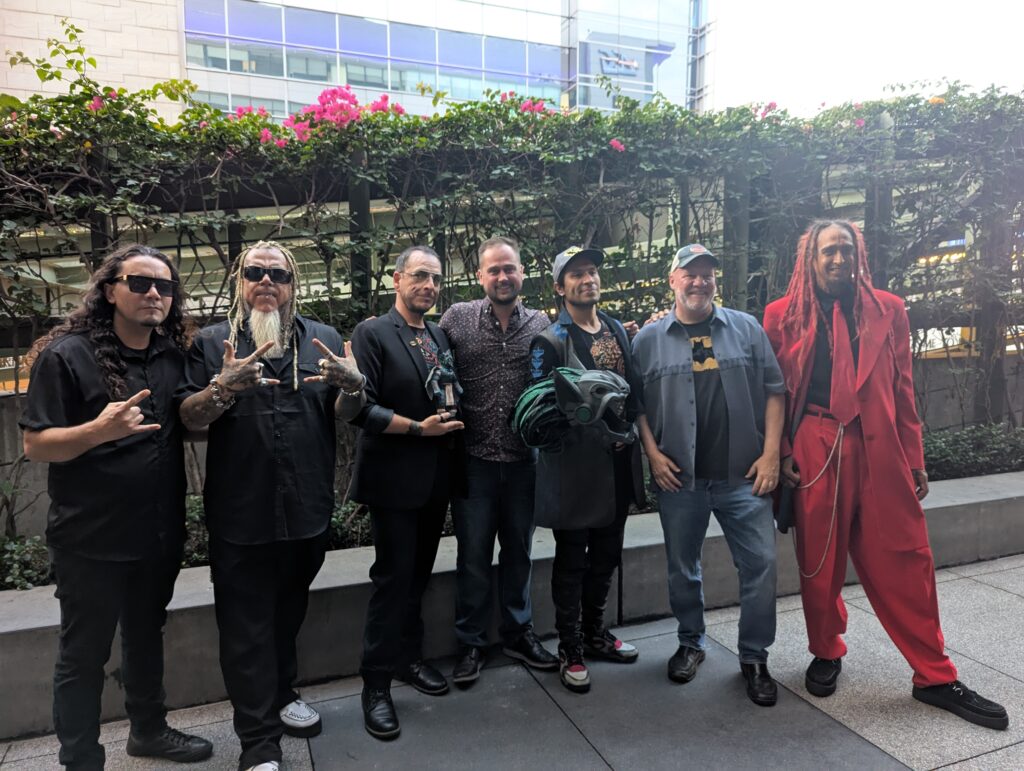
No Covers, No Requests, No Capitulation
After 30 years, most bands rely on a nostalgia circuit. HTTH refuses. They don’t do request hours, and they possess one sacred, unbreakable sonic rule: “No fucking covers.”
When asked which songs still feel dangerous enough to ignite a riot today, the band points to a legacy of sonic weapons. For Vicky, it’s their timeless anthem “Fuck the Police.” For Sergio, it’s “Type the Riot,” the track where their signature cocktail of synths, metal, and punk first crystallized.
“Our music is more relevant today than it was 30 years ago,” G states. “Back then, we were talking about what’s happening right now. We basically predicted the future. We should change our names from being a band to being psychics. It’s not negativity—it’s inspiration. We’re on fire.”
That fire keeps burning in their upcoming material, with new tracks like “Holy Water” tackling religion, and “Suicide Tuesday” capturing the brutal, chemical comedown of partying too hard. Sergio is even tinkering with heavy, dance-driven compositions to push the band into punishing new territory.
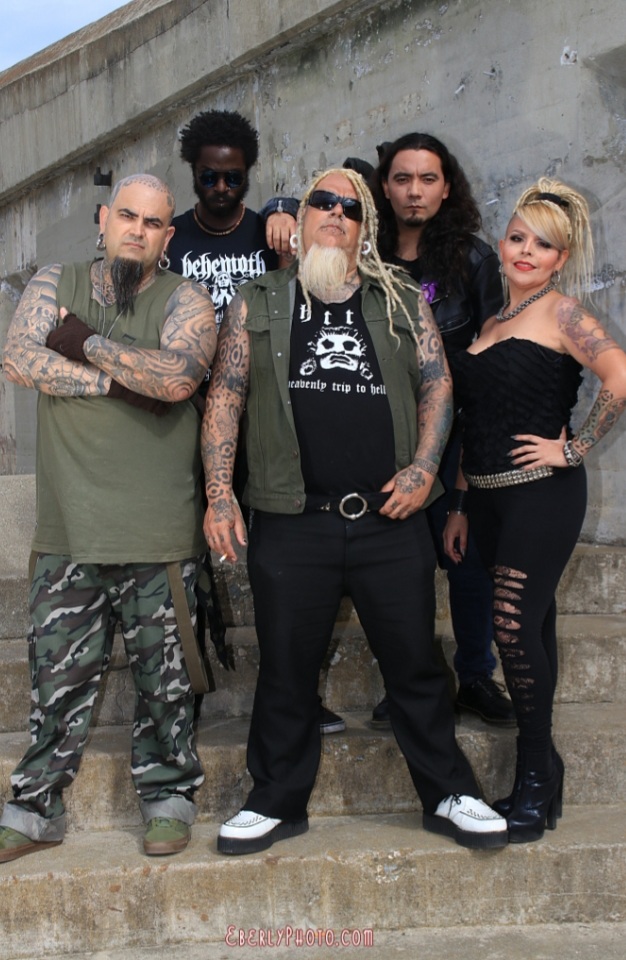
The Ritual of Survival
How does a band notorious for causing chaos survive three decades without killing each other? It comes down to brotherhood, an ironclad work ethic, and a running inside joke born in the studio with producer Adasi from Fuel Music.
“Every time we play and something doesn’t sound right, we look at each other and say: ‘Do it again, and do it right this time!’” Vicky reveals.
Ultimately, Heavenly Trip to Hell has achieved the rarest feat in rock: they exceeded every dream they ever set without selling out, softening their edges, or turning to methamphetamine to cope with the road. They carved out their own version of heaven right here in the underground.
“I don’t even believe in hell or religion,” G says, summing up thirty years of defiance. “I believe that you make whatever you want. This band has given me a life, and it has inspired me. We’re just getting started. Hell yeah. Watch out for the new music.”